
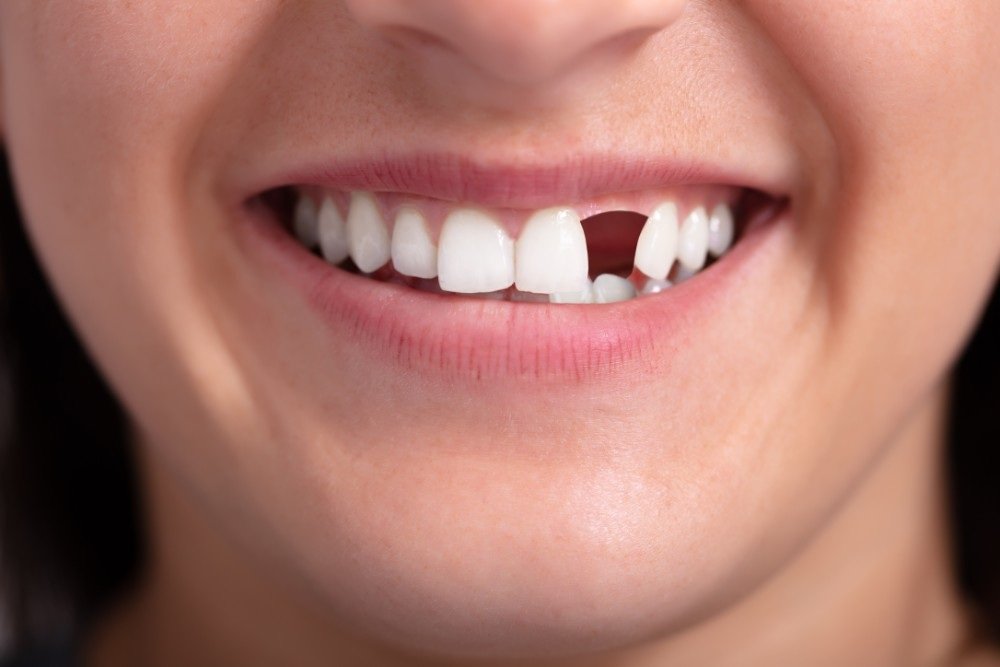
A healthy smile plays an important role in everyday life. It helps people communicate confidently, enjoy their favourite foods, and maintain good oral health. However, tooth loss can affect more than just the appearance of a smile. It can also influence chewing ability, speech, jawbone health, and the alignment of surrounding teeth.
Fortunately, modern dentistry offers several solutions for replacing missing teeth and restoring oral function. Among these options, dental implants have become a popular choice for people looking for a stable and long-lasting tooth replacement solution.
Understanding the causes of tooth loss, its potential consequences, and available treatment options can help individuals make informed decisions about their dental health.
Common Reasons Why People Lose Their Teeth
Tooth loss can occur at different stages of life and for various reasons. Some of the most common causes include:
Gum Disease: Advanced periodontal disease can damage the tissues and bone supporting natural teeth, eventually resulting in tooth loss.
Severe Tooth Decay: Untreated cavities can progress and cause extensive damage, sometimes making extraction necessary.
Dental Injuries: Accidents, sports injuries, and physical trauma can damage teeth beyond repair.
Age-Related Dental Problems: Age itself does not directly cause tooth loss, but accumulated dental problems may increase the likelihood of losing teeth over time.
Regardless of the cause, replacing missing teeth can help maintain oral function and prevent certain complications.
How Missing Teeth Can Affect Your Oral Health
Many people underestimate the impact of losing a single tooth. Even one missing tooth can gradually affect the surrounding oral structures.
Some possible consequences include:
- Shifting teeth: Adjacent teeth may move into the empty space, affecting dental alignment.
- Bone loss: The jawbone may gradually deteriorate because the missing tooth root no longer provides stimulation.
- Chewing difficulties: Missing teeth can make biting and chewing certain foods more challenging.
- Changes in speech: Gaps, particularly near the front of the mouth, may affect pronunciation.
- Changes in facial appearance: Significant tooth loss and associated bone changes can contribute to alterations in facial structure.
Seeking professional dental advice can help patients understand their individual risks and available solutions.
Dental Implants: A Modern Solution for Missing Teeth
Dental implants are designed to replace missing tooth roots and support artificial replacement teeth.
The treatment generally involves placing a small titanium or other suitable implant post into the jawbone. Over time, the implant can integrate with the surrounding bone through a process called osseointegration.
Once healing is complete, a dental crown, bridge, or denture can be attached, depending on the patient’s treatment requirements.
Dental implants offer several potential advantages:
- They provide a stable foundation for replacement teeth.
- They can help preserve jawbone structure by transferring chewing forces to the bone.
- They do not generally require neighbouring healthy teeth to be prepared, unlike conventional tooth-supported bridges.
- They can restore chewing function and improve smile appearance.
- With appropriate care, they can provide a long-lasting tooth replacement option.
However, suitability depends on individual oral health, bone availability, medical history, and other clinical factors.
Different Dental Implant Options to Consider
Modern implant dentistry offers different approaches depending on how many teeth need replacing.
Single-Tooth Dental Implants
A single dental implant is commonly used when an individual has lost one tooth. It supports a custom-made crown that fills the gap without relying on adjacent teeth for support.
Multiple Dental Implants
Patients missing several teeth may benefit from multiple implants supporting individual crowns or an implant-supported bridge.
Implant-Supported Dentures
These restorations use dental implants to improve the retention and stability of removable dentures.
Full-Mouth Dental Implants
For individuals who have lost most or all of their teeth, full-arch implant treatment may provide an alternative to conventional removable dentures.
The appropriate solution depends on a detailed dental examination and personalised treatment planning.
Who May Be Suitable for Dental Implant Treatment?
Dental implants can be suitable for many adults with missing teeth, but not everyone is immediately ready for treatment.
A dentist may assess several factors, including:
- Overall gum health.
- Jawbone volume and density.
- Presence of active periodontal disease.
- General health and healing considerations.
- Smoking habits.
- Oral hygiene practices.
Patients with gum disease may need periodontal treatment before implant placement. Similarly, individuals with insufficient bone may require additional procedures, such as bone grafting.
A professional consultation helps establish whether dental implants are appropriate.
How to Look After Dental Implants
Although dental implants are not natural teeth, they still require regular maintenance.
Good oral hygiene helps protect the tissues surrounding implants and reduces the risk of inflammatory complications.
Patients should follow these practices:
Brush Regularly: Brush twice daily using a soft-bristled toothbrush and suitable toothpaste.
Clean Between Teeth: Use floss or interdental cleaning tools recommended by your dental professional.
Attend Dental Check-Ups: Regular appointments allow dentists to monitor implant stability and surrounding gum health.
Avoid Smoking: Smoking can negatively affect healing and periodontal health.
Follow Professional Advice: Follow your dentist’s recommendations regarding cleaning methods and maintenance appointments.
Consistent care is important for maintaining the health of dental implants over time.
Why Professional Dental Advice Is Important
Choosing a tooth replacement treatment involves more than selecting a procedure. Every patient has different dental needs, expectations, and oral health conditions.
A qualified dental professional can examine the mouth, review diagnostic images, assess bone availability, and explain the benefits and limitations of different treatments.
Patients should also discuss treatment costs, healing periods, possible complications, and long-term maintenance before making a decision.
Taking the time to understand these factors can help ensure that the selected treatment is appropriate for individual needs.
Final Thoughts
Missing teeth can affect several aspects of oral health, from chewing function and dental alignment to jawbone preservation and self-confidence.
Modern restorative dentistry provides multiple solutions, with dental implants offering an effective option for many suitable patients.
Whether replacing one tooth or restoring an entire dental arch, the first step is obtaining professional advice and understanding the available treatment options.
For more information about dental implant procedures, tooth replacement solutions, and maintaining a healthy smile, explore the My Dental Implants dental health blog.
Staying informed and seeking timely dental care can help individuals protect their oral health and enjoy a healthier, more confident smile.
